The Tolpuddle Martyrs were six agricultural labourers from the village of Tolpuddle, Dorset, England. In 1834, they were convicted of swearing a secret oath as members of the Friendly Society of Agricultural Labourers.
189 years later
The village hosts the largest trade union festival each July
There has been an annual gathering to mark the story of the Tolpuddle Martyrs since 1930s. It began as a Sunday afternoon event with wreaths laid on the grave of James Hammett, followed by a procession of banners and speeches. Today, the annual event sees thousands of trade unionists from around the UK and the world descend on the small village of Tolpuddle in Dorset to celebrate the memory of the Tolpuddle Martyrs and the legacy they left behind. The Tolpuddle Martyrs’ Festival reflects the spirit of those prepared to stand up and be counted, and for those just learning about its history. It is a joyful celebration of solidarity.
Timeline
1833
Formation of a union
In 1833, a group of six farm workers from the Dorset village of Tolpuddle were concerned that their wages had been reduced, so they formed a trade union to ask for guarantees that their wages wouldn’t be cut any further. Other farm workers wanted to join their trade union, and prospective members were asked to swear an oath and pay a fee to join.
Standfield, Brine & Paynter
1834
The authorities
The authorities were concerned by the growing popularity of the group and wanted to break it up, but it wasn’t illegal to form a trade union, so the authorities had to find another way to stop them. Eventually, in 1834, they were able to charge the group’s leaders with swearing a secret oath, which was illegal, and the group was disbanded. The leaders of the trade union were put on trial and found guilty, and received the maximum punishment for their crime: seven years of transportation to Australia. The severity of the punishment shows how desperate the authorities were to prevent others from forming trade unions.
1836
Outrage and pardon
The public were outraged by the sentence the men received, and they became known as the Tolpuddle Martyrs. A petition in favour of the martyrs received 200,000 signatures, and there were several demonstrations and protests about their treatment which drew large crowds. In 1836, the Tolpuddle Martyrs were pardoned and were permitted to return home.
1837
Homecoming
All six men returned to Tolpuddle in 1837. George Loveless was first to arrive home, in June, 1837. Four men were later welcomed at a grand dinner in London, with around 2,000 guests. James Hammett was the last of the men to return home, and was welcomed at the Victoria Theatre – now known as The Old Vic.
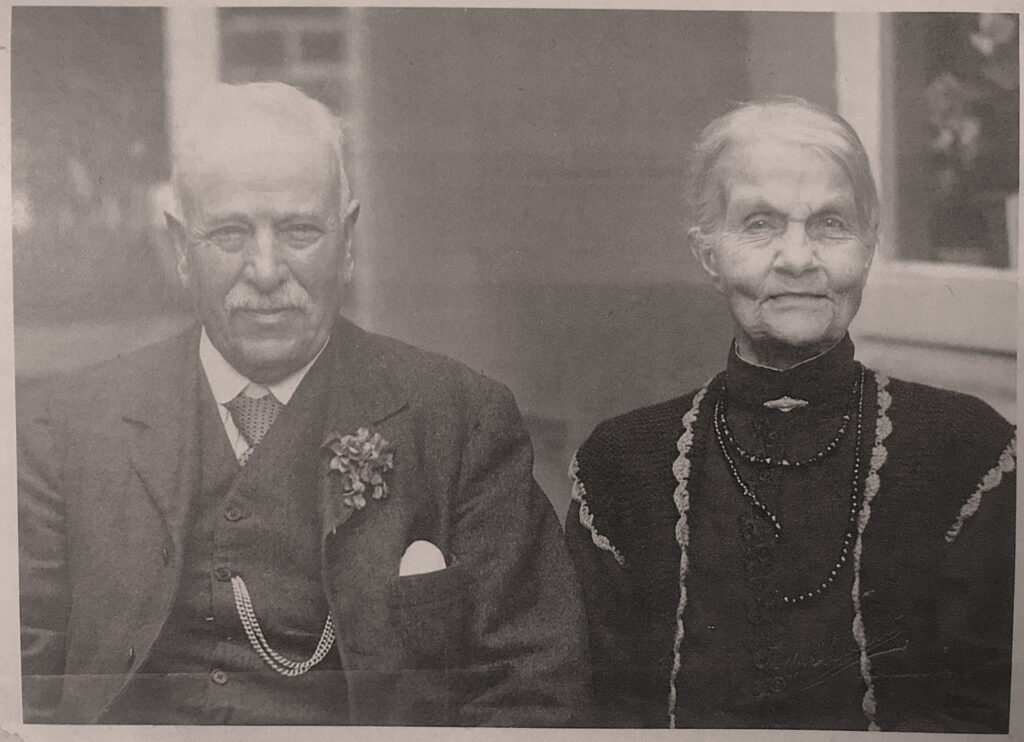
Frank Hammett and Elizabeth Hussey 1933
Today
Unions today host the annual Martyrs Festival
Unions exist to help people at work, Unions make the workplace a better place.
Unions give workers a say at work.
Unions provide a range of advice, support and legal back-up
Unions help provide learning opportunities, fight discrimination and make work safer
Unions fight for good public services, pensions, minimum wages and laws to protect people at work